
Highland Beach Condo vs House: Lifestyle & Cost Guide
December 18, 2025
December 18, 2025
Trying to decide between a low‑maintenance condo and a private single‑family home in Highland Beach? You are not alone. Many Northeast buyers weigh convenience, privacy, boating, and beach access before choosing. This guide breaks down what changes most between the two, from maintenance and fees to dockage, insurance, and association rules, plus a practical shortlist checklist. Let’s dive in.
Highland Beach is a narrow barrier‑island town between Boca Raton and Delray Beach with the Atlantic Ocean on one side and the Intracoastal Waterway on the other. Housing is mostly mid‑ and high‑rise condos with a smaller pocket of single‑family and townhomes, many on the water. The island setting shapes daily life, including parking, building services, and access to boating and beach. To confirm local rules, start with the Town of Highland Beach website.
Condo associations typically maintain the exterior, roof, common areas, elevators, landscaping, and shared systems. Your responsibility usually focuses on interior finishes and any limited common elements, defined in the building’s declaration. If you plan to use the home seasonally, the on‑site services and building oversight can reduce day‑to‑day tasks when you are away.
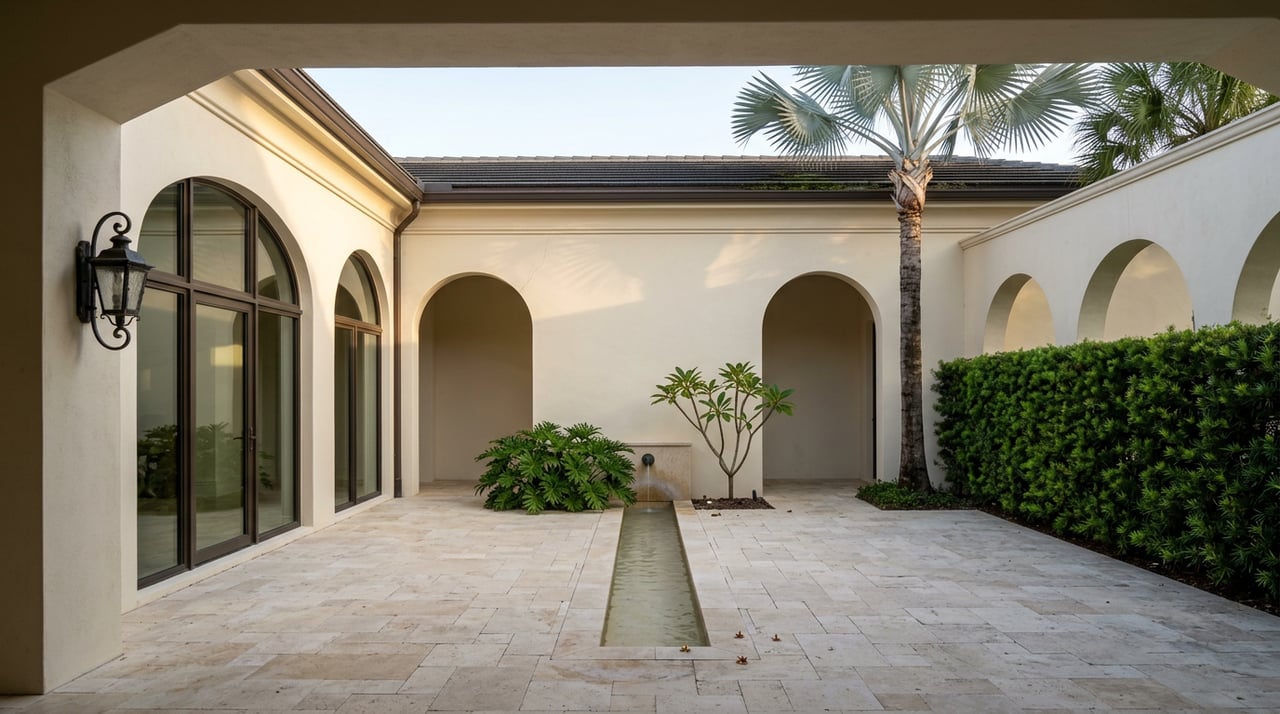
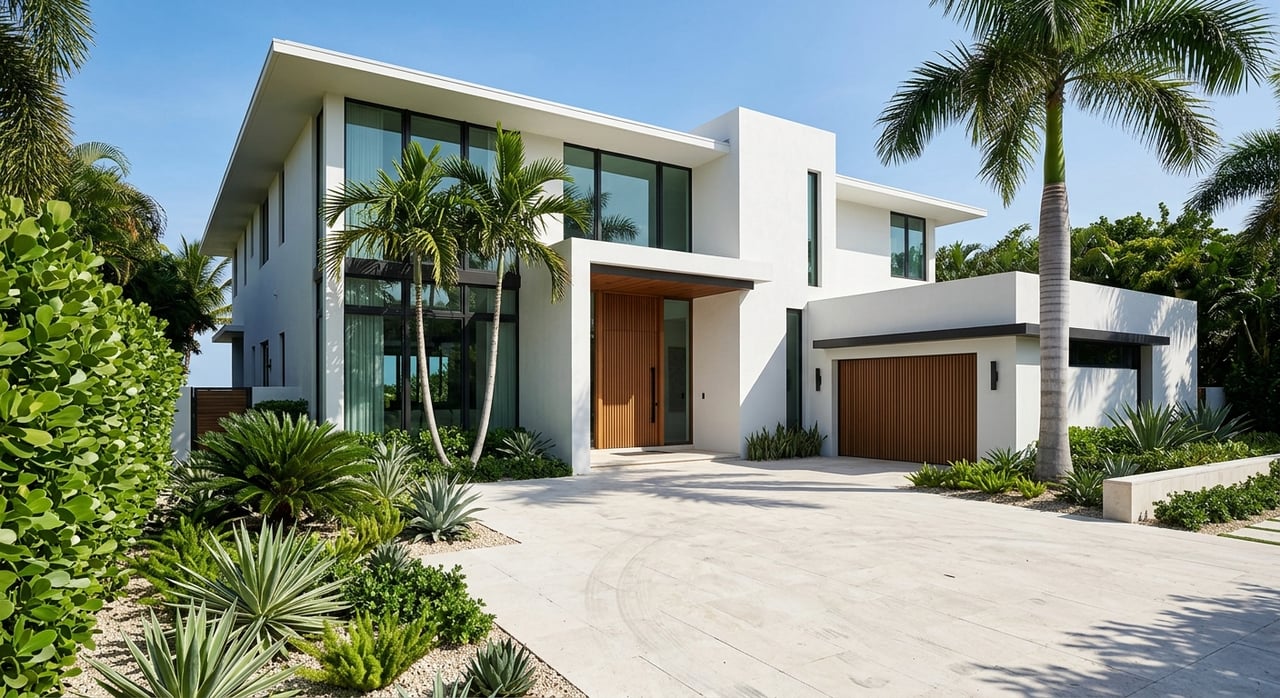
With a single‑family home, you control the exterior, yard, and any dock or seawall on your lot. That also means budgeting for landscaping, pool care, hurricane prep, and post‑storm repairs. If the home sits in an HOA, the association may maintain gates, roads, or shared amenities, but you are usually responsible for the home’s exterior.
Monthly condo dues usually cover common maintenance, master building insurance, reserves, security, trash, and amenities. Fees vary by age, services, and waterfront exposure. Always request the budget, reserve study, insurance declarations, and recent meeting minutes to see if large projects or special assessments are coming.
In single‑family communities with an HOA, dues often cover limited common items like gates and landscaping. If there is no HOA, you handle direct costs such as maintenance, utilities, and insurance, which can vary year to year. Compare the full picture for each property, not just dues.
Coastal properties face wind and flood risks. For condos, the building carries a master policy; you will typically add an HO‑6 policy for your interior and liability. For single‑family homes, you will need homeowners coverage with wind and, if required, a separate flood policy. Check your flood zone using the FEMA Flood Map Service Center and review carrier trends with the Florida Office of Insurance Regulation. Get quotes early to confirm insurability and cost before you commit.
Many single‑family waterfront homes include private docks with ICW or canal access. Docks come with upkeep, including seawall, pilings, and boatlift maintenance. Some condos offer marinas with deeded or assigned slips, while others provide rental slips or shared docks. Availability can be limited and may involve waitlists. Confirm whether a slip is deeded or leased, the rules on vessel size, and any liveaboard or maintenance restrictions.
Any work on docks, seawalls, or dredging typically requires permits. Start by confirming prior permits and approvals. Oversight can involve the U.S. Army Corps of Engineers and the Florida Department of Environmental Protection, especially for work that affects federal or state waters and sensitive habitats.
Many condo developments and some single‑family properties offer private or semi‑private beach access, often with rules on usage and guests. Public access points in Highland Beach are limited. Verify the specific access, dune conditions, and any association restrictions before you buy.
Each association sets its own pet rules, often with limits on number, weight, and where pets are allowed. If you travel with pets or plan to rent, get the policy in writing. Note that service and assistance animal protections apply under federal and state law. For general guidance, review the HUD Fair Housing guidance.
Associations commonly set minimum lease terms and may cap the number of units that can be rented. Municipal rules can also apply. Confirm both the association’s rental policy and any town licensing or tax requirements. Ask for written policies and a history of enforcement.
Florida condos are governed by the Florida Condominium Act (Chapter 718), while many single‑family HOAs fall under the Homeowners’ Association Act (Chapter 720). Before you buy, request the budget, reserve study, recent meeting minutes, master insurance declarations, and rules and regulations. Watch for low reserves, ongoing litigation, repeated special assessments, or high deductibles that shift costs to owners.
Build a 12‑month budget for each candidate property:
If you want a curated shortlist that fits your lifestyle, budget, and boat or beach priorities, let’s talk. For design‑savvy guidance and private, end‑to‑end representation, connect with Tanya Ajay to Schedule a Private Consultation.
Stay up to date on the latest real estate trends.


Wether you are looking to buy, sell, invest or relocate to beautiful, sunny South Florida, let Tanya help you find you the home of your dreams.