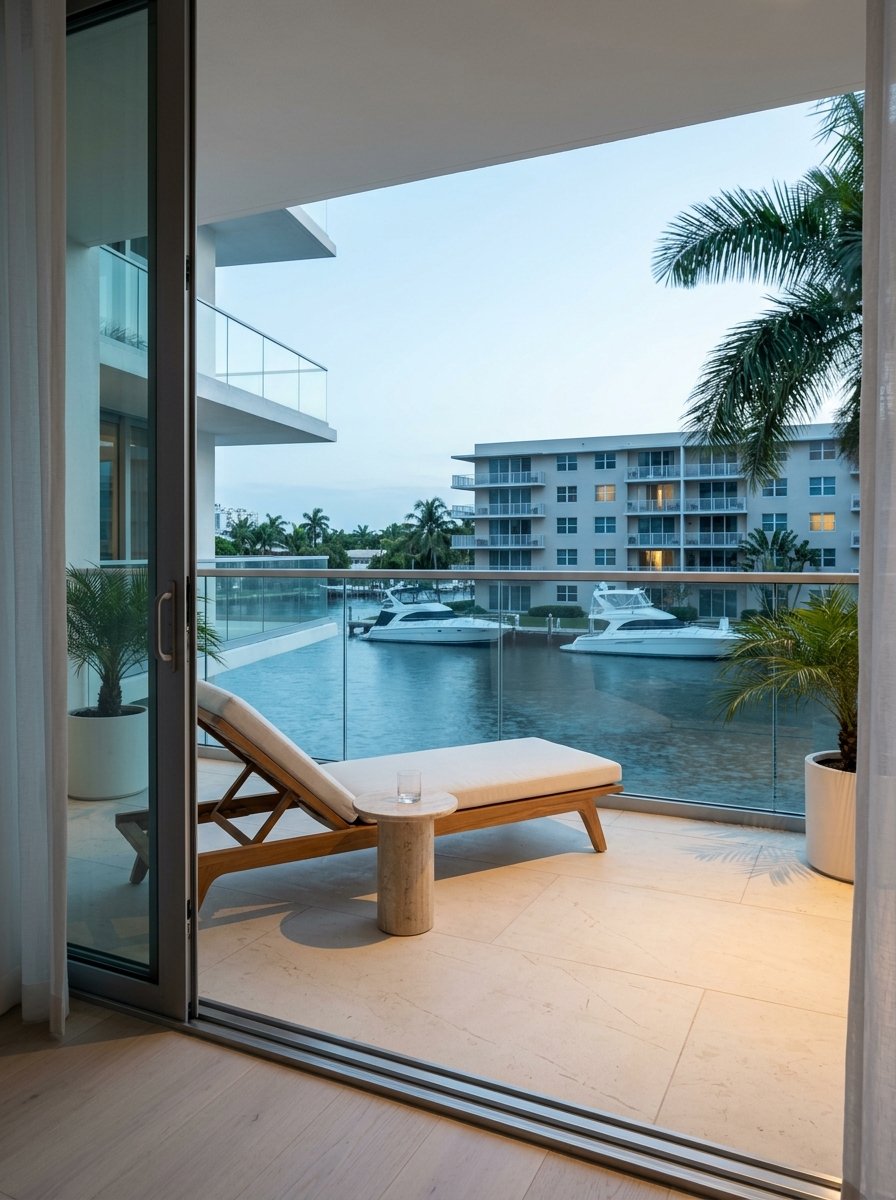
Choosing Downtown or Waterfront Luxury in West Palm Beach
April 23, 2026
April 23, 2026
Choosing between a sleek downtown condo and a waterfront or estate-style home in West Palm Beach is not just about price or square footage. It is about how you want your days to feel, how much maintenance you want to manage, and what kind of setting best supports your lifestyle. If you are weighing walkability, views, privacy, and convenience, this guide will help you compare the trade-offs and clarify which path may fit you best. Let’s dive in.
In West Palm Beach, luxury living generally falls into two very different experiences. Downtown West Palm Beach functions as a mixed-use urban core, while the Flagler Waterfront district offers a more view-driven setting along the Intracoastal with high-rise condominiums, office towers, and open green space, according to the City of West Palm Beach Downtown Master Plan.
For buyers looking beyond towers, the nearby Town of Palm Beach often enters the conversation. Its planning framework emphasizes large estate, estate, and low-density residential areas, along with a Beach Area designation, while the town also highlights its strict zoning standards, small-town character, and 3 miles of public beaches.
West Palm Beach also offers a middle ground through its historic residential fabric. The city’s preservation program includes 18 locally designated historic districts and 46 individually designated sites, with areas such as Historic El Cid, Southland Park, Flamingo Park, South End, and Northwest adding single-family options closer to the urban core.
If you want an active, connected lifestyle, downtown usually stands out first. It is the city’s most walkable area, with a Walk Score of 83, which is notable in South Florida.
Getting around is part of the appeal. The city trolley links Downtown West Palm Beach, City Hall, Mandel Public Library, Brightline and Tri-Rail stations, The Square, and the waterfront, and Tri-Rail’s West Palm Beach Station offers a free fixed-route shuttle around downtown.
For buyers coming from New York, New Jersey, or Connecticut, rail access can feel especially practical. Brightline’s West Palm Beach station sits within walking distance of downtown destinations, and the CityPlace area is just 0.2 miles from the station.
Downtown luxury housing is typically vertical, amenity-rich, and designed for convenience. The Downtown Development Authority housing guide highlights boutique condos, lofts, and high-rise buildings with pool decks, spas, gyms, panoramic views, and resort-style amenities.
Examples listed by the DDA include 610 Clematis, Esplanade Grande, One City Plaza, Plaza of the Palm Beaches, The Laurel, The Strand, and Waterview Towers. That means your options often lean toward lock-and-leave residences rather than large private lots.
Downtown also has an event-centered energy that many buyers enjoy. The city points to recurring programming such as Clematis by Night, the GreenMarket, and Sunday on the Waterfront, which helps keep the area active beyond business hours.
If you like the idea of stepping out for coffee, dining, a concert, or a waterfront stroll without planning your entire day around the car, downtown delivers that kind of flow. For many second-home buyers and empty-nesters, that ease is a major advantage.
Waterfront living in West Palm Beach offers a different kind of luxury. Instead of putting daily convenience first, it often centers on open views, visual calm, and a stronger connection to the Intracoastal.
The city’s planning documents support that distinction. West Palm Beach states that waterfront areas and water bodies should be maximized for recreation and visual amenities, especially along the Intracoastal Waterway, and that private waterfront development should be designed to maximize water views.
Along Flagler Drive and the waterfront venues, the public-facing setting reinforces that atmosphere. The area is used for runs, walks, cycling events, festivals, and gatherings at spaces like the Great Lawn and Lake Pavilion.
For buyers who prioritize boating access or proximity to the water, the waterfront side of the market is often the stronger fit. The city notes that its downtown waterfront provides access to the Intracoastal Waterway through city docks, while Palm Beach adds beach access through its public shoreline.
This is often where lifestyle priorities become very clear. If your ideal morning includes a long walk by the water, open sky, and a quieter visual backdrop, waterfront living may feel more aligned than the denser downtown core.
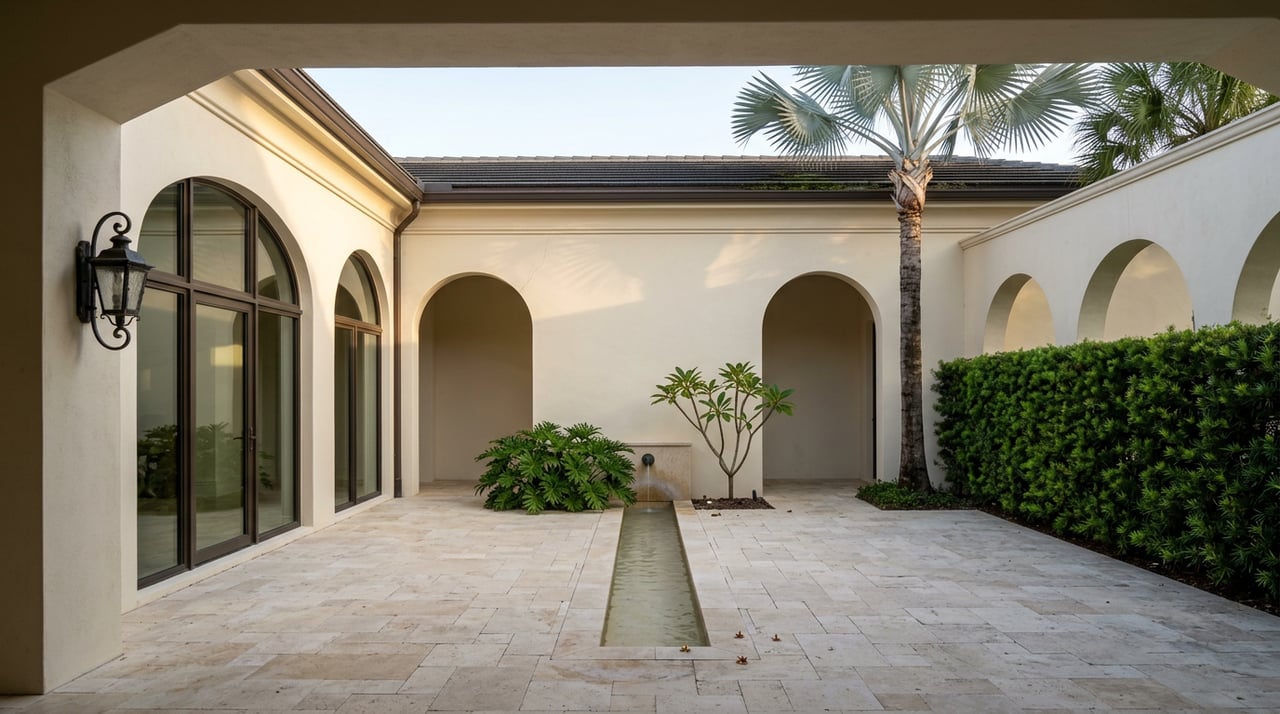
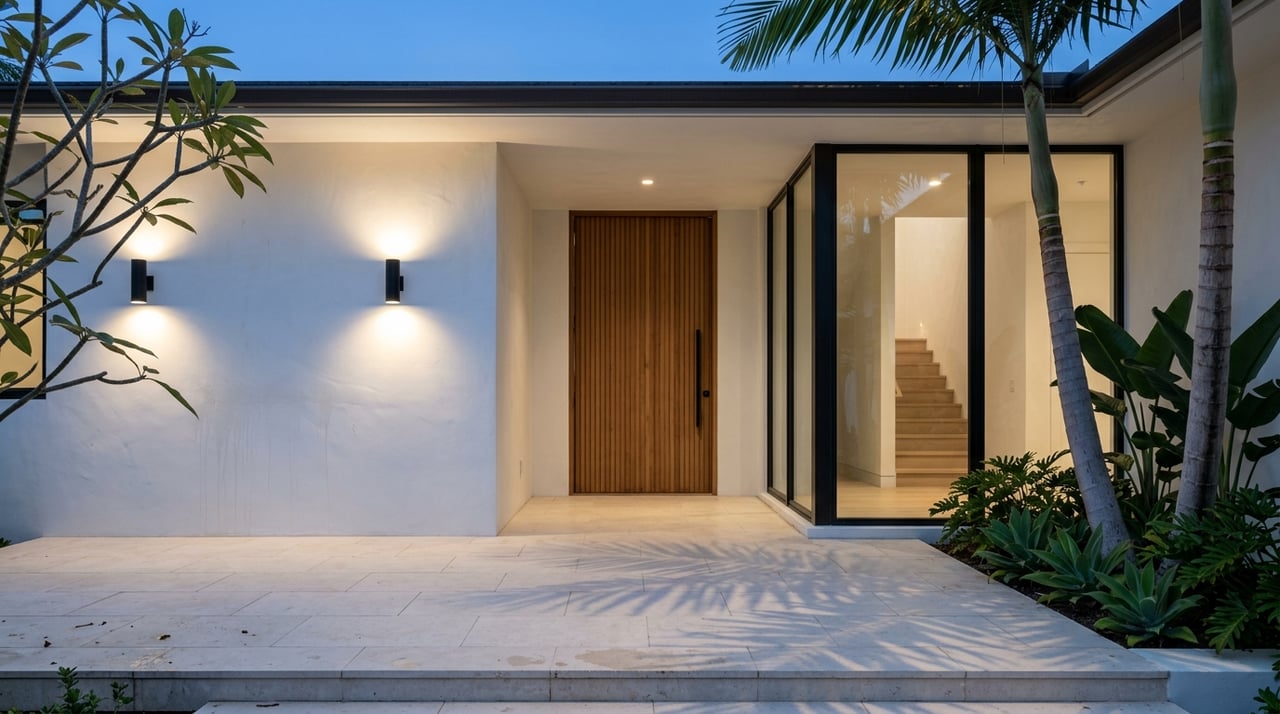
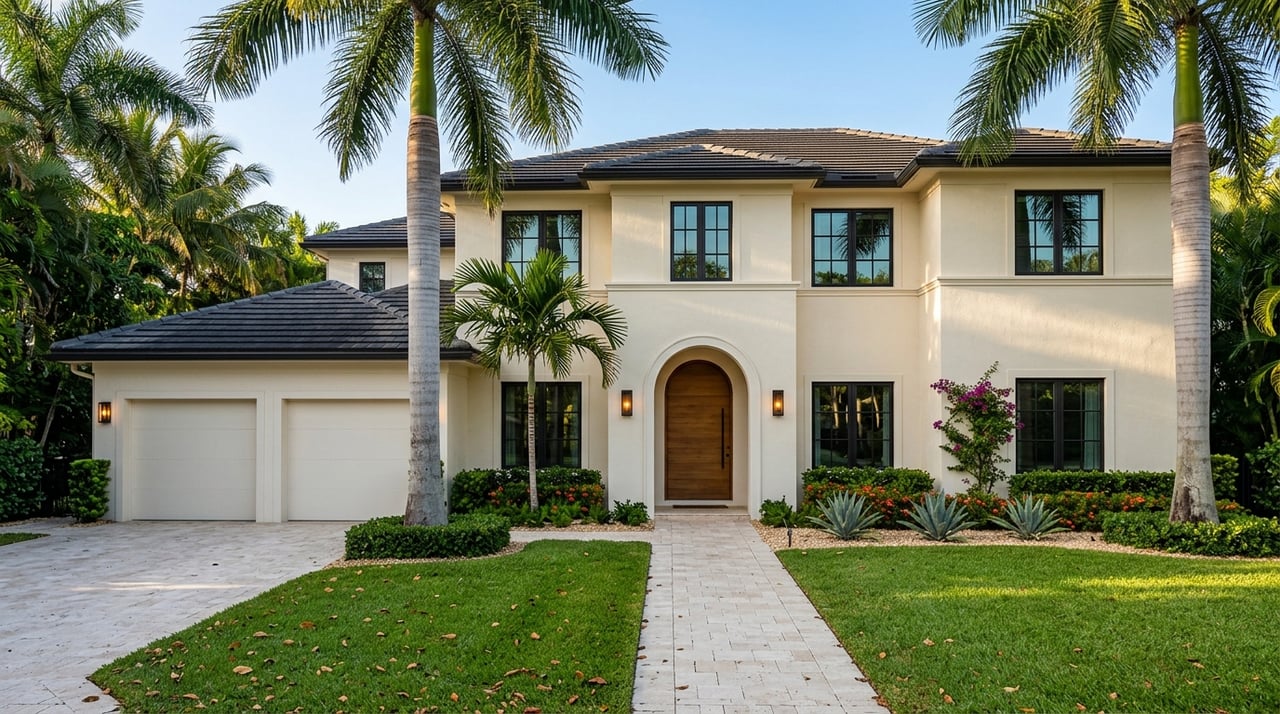
For some luxury buyers, neither a downtown tower nor a waterfront condo fully checks the box. That is where estate-style living, especially in Palm Beach or in West Palm Beach’s historic single-family areas, becomes important.
On Palm Beach island, the zoning structure is built around lower-density residential patterns. The town’s comprehensive plan uses large estate residential, estate residential, low-density residential, and beach area designations, reinforcing a more private and less urban daily rhythm.
In West Palm Beach, historic districts can offer a useful middle ground. The city’s planning documents describe the Northwest Neighborhood as a single-family, low-scale area with Florida vernacular and Mediterranean Revival homes, and the broader preservation program shows how much of the surrounding area remains protected as historic fabric.
For buyers seeking architecture, land, and privacy rather than shared amenities, these settings often deserve close attention. They can offer a more residential feel while still keeping you connected to the larger West Palm Beach lifestyle.
The downtown versus waterfront decision is rarely just about aesthetics. In practice, it usually comes down to how you value convenience, privacy, amenities, and day-to-day responsibility.
Here is a simple way to compare the two:
| Lifestyle Factor | Downtown Luxury | Waterfront or Estate-Style Luxury |
|---|---|---|
| Daily feel | Active, walkable, urban | Open, scenic, more private |
| Housing type | Condos, lofts, high-rises | Waterfront condos, estates, single-family homes |
| Mobility | Strong trolley, shuttle, rail access | More car-dependent in many cases |
| Amenities | Shared amenities, services, events | Views, larger lots, outdoor setting |
| Maintenance | More exterior work handled by association | More owner oversight, especially for homes |
| Best for | Lock-and-leave buyers, second-home owners, urban lifestyle seekers | Buyers prioritizing privacy, water access, or estate living |
One of the biggest practical differences involves upkeep. In many downtown condos and townhomes, exterior responsibility shifts more heavily to the association.
Under Florida condominium law, associations have the power to maintain, repair, and replace common elements, including roofs and structural components. The same statute also makes it clear why buyers should carefully review budgets, contracts, insurance, and association records during due diligence.
That structure often supports a simpler lock-and-leave lifestyle. If you travel often, split time between states, or prefer less hands-on property management, a condo can offer meaningful convenience.
With waterfront and estate-style homes, the equation changes. You typically gain more privacy and more direct control, but you also take on more site-specific upkeep.
Waterfront and island homes require a closer review of location-specific risks. FEMA explains that flooding can happen almost anywhere, and coastal communities may face storm surge, waves, and erosion.
That is why buyers should check the official flood map and consider how flood insurance may fit into their ownership costs. It is also relevant that the City of West Palm Beach has sought a Resilient Waterfront Adaptation Plan and listed tidal-valve and seawall-related work, showing that waterfront condition and resilience are active local issues.
This does not mean waterfront ownership is a problem. It means the due diligence should match the asset.
If you want a polished residence with strong walkability, easy transit access, and shared amenities, downtown West Palm Beach may be the better fit. It can work especially well for second-home buyers, empty-nesters, and anyone who values convenience over lot size.
If you care most about water views, boating access, outdoor space, or a more private setting, waterfront living may feel more rewarding. And if your ideal property includes land, architectural character, and a quieter residential rhythm, estate-style options in Palm Beach or historic West Palm Beach neighborhoods may be worth a closer look.
The right choice depends on how you want to live, not just where you want to invest. When you compare these options through the lens of routine, maintenance, privacy, and long-term comfort, the decision usually becomes much clearer.
If you are exploring luxury property in West Palm Beach or weighing downtown versus waterfront options across the Palm Beaches, Tanya Ajay offers a polished, high-touch approach built around discretion, local knowledge, and thoughtful guidance. Schedule a Private Consultation to refine your search with confidence.
Stay up to date on the latest real estate trends.
Wether you are looking to buy, sell, invest or relocate to beautiful, sunny South Florida, let Tanya help you find you the home of your dreams.