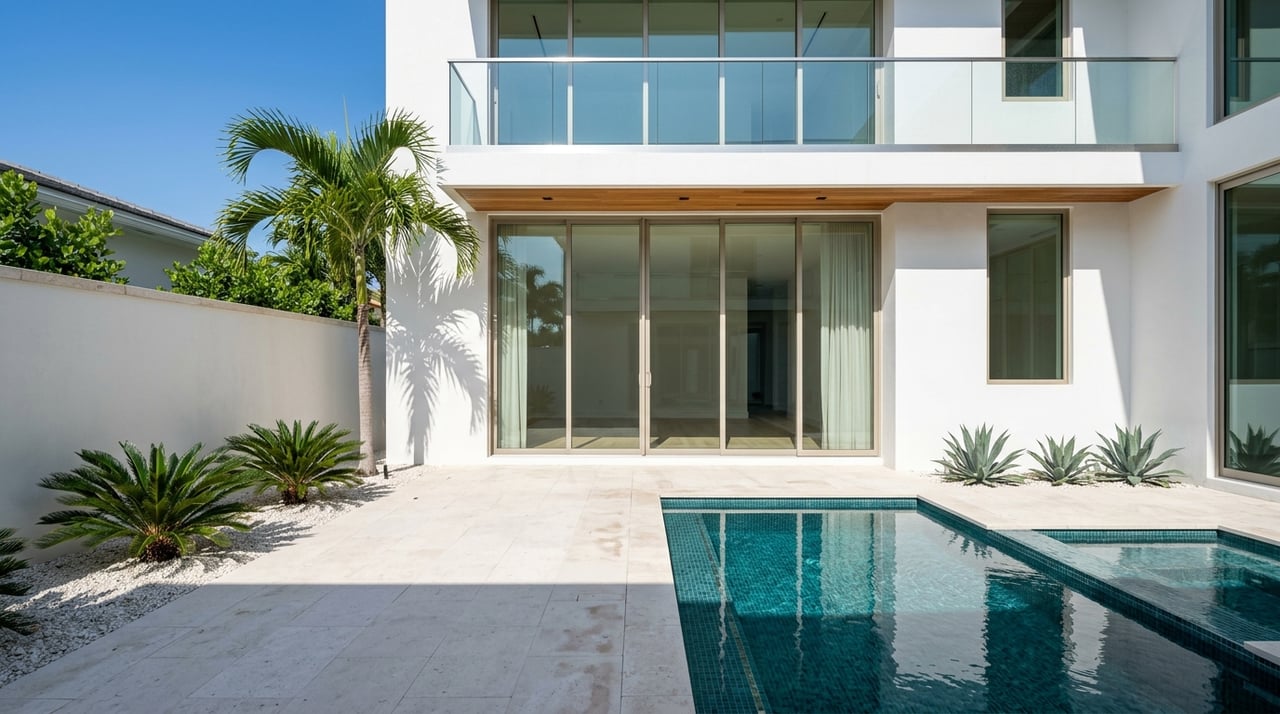
Highland Beach Second Home Guide for Out-of-State Northeast Buyers
April 16, 2026
April 16, 2026
If you are searching for a South Florida second home that feels private, polished, and easy to reach from the Northeast, Highland Beach likely stands out fast. But buying here is not just about views and location. Because this is a small, coastal, mostly built-out barrier-island town, your decision often comes down to smart due diligence, building condition, and a clear plan for ownership from a distance. This guide walks you through the practical details that matter most, from flood zones and condo documents to remote closings and storm prep. Let’s dive in.
Highland Beach sits between Delray Beach and Boca Raton on a narrow barrier island with the Atlantic Ocean on one side and the Intracoastal Waterway on the other. According to the town’s comprehensive plan, it is about 2.8 miles long, largely residential, and substantially built out.
For you as a second-home buyer, that matters. In practical terms, you are usually choosing among existing homes and condos, comparing location, building quality, renovation potential, and ownership costs rather than waiting on large waves of new development.
When you are buying from New York, New Jersey, or Connecticut, the process needs to be organized early. A beautiful showing is only one part of the picture. Your first screen should also include taxes, permit history, building disclosures, insurance questions, and the rules that affect how you plan to use the property.
A strong remote-buying plan helps you make faster decisions and avoid late surprises. It also gives you a clearer sense of true carrying costs before you commit.
The Palm Beach County Property Appraiser says buyers can use its office to estimate taxes, and it also maintains a permit portal with local municipalities. For an out-of-state buyer, that makes tax estimates and permit history part of the opening review, not something to save for the end.
This is especially important if you are comparing renovated units or older waterfront properties. A property that looks turnkey online may still require deeper review of past work, open permits, or future maintenance needs.
Highland Beach offers municipal lien searches through the Town Clerk’s office. The town states the current fee is $175 per property control number, with a typical turnaround of 5 to 7 business days and no expedited option.
If you are on a tight purchase timeline, build that into your calendar. For remote buyers, this is one of those small but important local process details that can affect timing.
In Highland Beach, weather exposure is not a side issue. The town’s building memo says the island is at most 1,200 feet wide, places all buildings in Exposure D, and notes that Highland Beach is in a Wind-Borne Debris Region.
That means exterior durability deserves serious attention. As you compare properties, pay close attention to shutters, impact protection, roof systems, windows, doors, and the overall condition of the building envelope.
Insurance should be part of your buying conversation from the start, not after inspection. Because this is a coastal market, the exact property condition and location can shape both cost and coverage.
It is wise to ask for an insurance quote tied to the exact parcel and structure. That is especially true if you are weighing two similar homes that may have very different elevation, flood, or storm-resistance profiles.
Flood exposure in Palm Beach County has become more important, not less. The county says FEMA’s updated flood maps became effective on December 20, 2024, and that thousands of eastern-county parcels moved into high-risk flood zones.
The county also states that all county residents live in a flood zone and should obtain flood insurance, and it reminds owners that windstorm insurance does not cover flood damage. Highland Beach also directs owners to flood-zone lookup and elevation-certificate tools through its local flood resources.
Do not rely on a general statement about the building or neighborhood. Ask what flood zone applies to the exact parcel, whether an elevation certificate is available, and what the current flood insurance quote looks like for that specific property.
For second-home owners, this can materially affect annual carrying costs. It can also shape your comfort level if you plan to leave the property vacant for part of the year.
If you are considering a condo, document review is essential. Under Florida law governing condo disclosures, buyers must receive major disclosure materials, including the milestone inspection summary and the association’s most recent structural integrity reserve study when applicable.
That matters because reserve planning and structural reviews can affect future assessments, monthly costs, and near-term repair obligations. The Florida DBPR condo resource also explains that reserve shortfalls can lead to assessments or financing needs.
Before you move forward, make sure you understand the building’s financial and physical picture. A few focused questions can help:
For many Northeast buyers, this is where local guidance adds the most value. The goal is not just finding the right residence, but avoiding avoidable surprises after closing.
If you think you may rent the property occasionally, confirm the rules before you buy. Highland Beach’s vacation-rental registration requirements require proof of ownership, a responsible party with 24-hour contact details, DBPR lodging licensure, state and county tax registrations, and a sample lease.
That is only part of the picture. If the property is in a condo or HOA, you also need to understand that community’s rental restrictions, approval requirements, and minimum lease terms.
One reason Highland Beach works well for Northeast buyers is access. The FAA’s Palm Beach International Airport page places PBI between West Palm Beach and Lake Worth, and the airport recommends arriving at least two hours before domestic flights and three hours before international flights.
The area also offers additional transit flexibility. Tri-Rail serves PBI with a free shuttle to the West Palm Beach station, Brightline serves downtown West Palm Beach and Boca Raton, and Tri-Rail one-way fares start at $2.50.
Florida law authorizes online notarization using audio-video communication technology. The statute also states that a Florida online notarization is governed by Florida law even if the signer or witnesses are physically somewhere else.
For you, that creates a practical path for a remote closing. Early in the transaction, ask which documents can be handled through remote online notarization and which may still require original signatures or separate handling.
After closing, the town requires proof of ownership or authorized occupancy plus a photo ID to set up utilities. If you are flying in for a short move-in window, keep your closing documents and identification easy to access.
This is a simple step, but it can make your first few days in the property much smoother.
If you will not be in Florida year-round, storm planning should be part of your ownership setup. Highland Beach says it is in Evacuation Zone B, and its hurricane guidance notes that Category 2 or stronger storms expected to make landfall can trigger mandatory evacuation.
The town also explains that evacuation can involve shutting off water and electricity, stopping elevators, and leaving no staff on property. For second-home owners, this means your emergency plan should be written down, not improvised.
Before your first hurricane season, make sure you have:
Highland Beach also offers the CodeRED emergency notification system and the Away From Home initiative, which are especially useful for seasonal and long-absent residents.
If waterfront access is part of your search, take time to review local boating expectations. Highland Beach’s Marine Patrol Unit guidance says boats should be registered, properly equipped with safety gear, and operated with a float plan known by someone on land.
The town also notes that the Intracoastal Waterway speed limit is reduced to 25 mph from October 1 through May 31. If boating is part of your lifestyle plan, these details are worth understanding before you purchase a property with a dock or nearby marina access.
One of the most common planning mistakes is assuming a Florida tax benefit will apply right away. The Florida Department of Revenue makes clear that homestead benefits apply only when the property is your permanent residence, and portability applies only when moving from one Florida homesteaded residence to another.
If you are buying Highland Beach as a second home, model the property without homestead savings unless and until it becomes your primary residence. If you later decide to relocate full-time, that tax conversation can be reset at that point.
For many Northeast buyers, the best approach is simple: treat Highland Beach as a lifestyle purchase guided by a diligence-first process. The setting is exceptional, but because the town is small, coastal, and highly regulated in ways that directly affect ownership, details matter.
As you narrow your options, focus on the fundamentals:
If you want a second home that feels effortless once you own it, the work starts before you buy it. For tailored guidance on Highland Beach and nearby Palm Beach County opportunities, connect with Tanya Ajay to schedule a private consultation.
Stay up to date on the latest real estate trends.
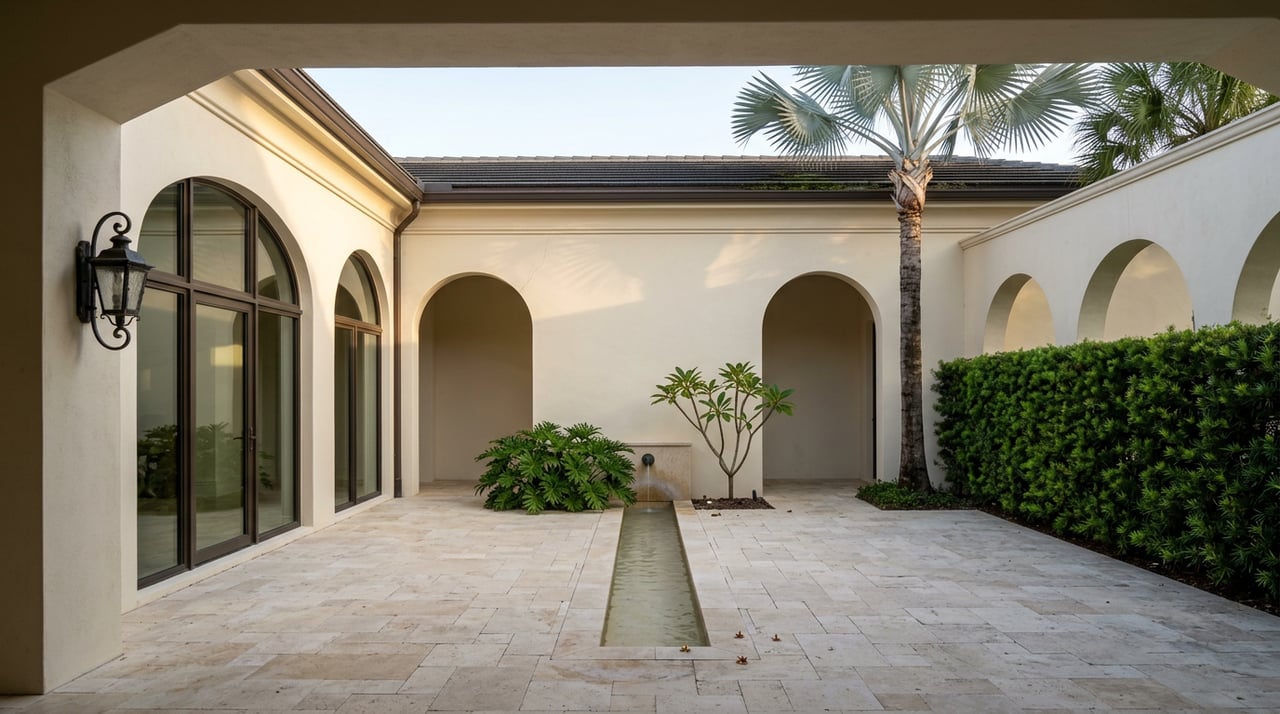
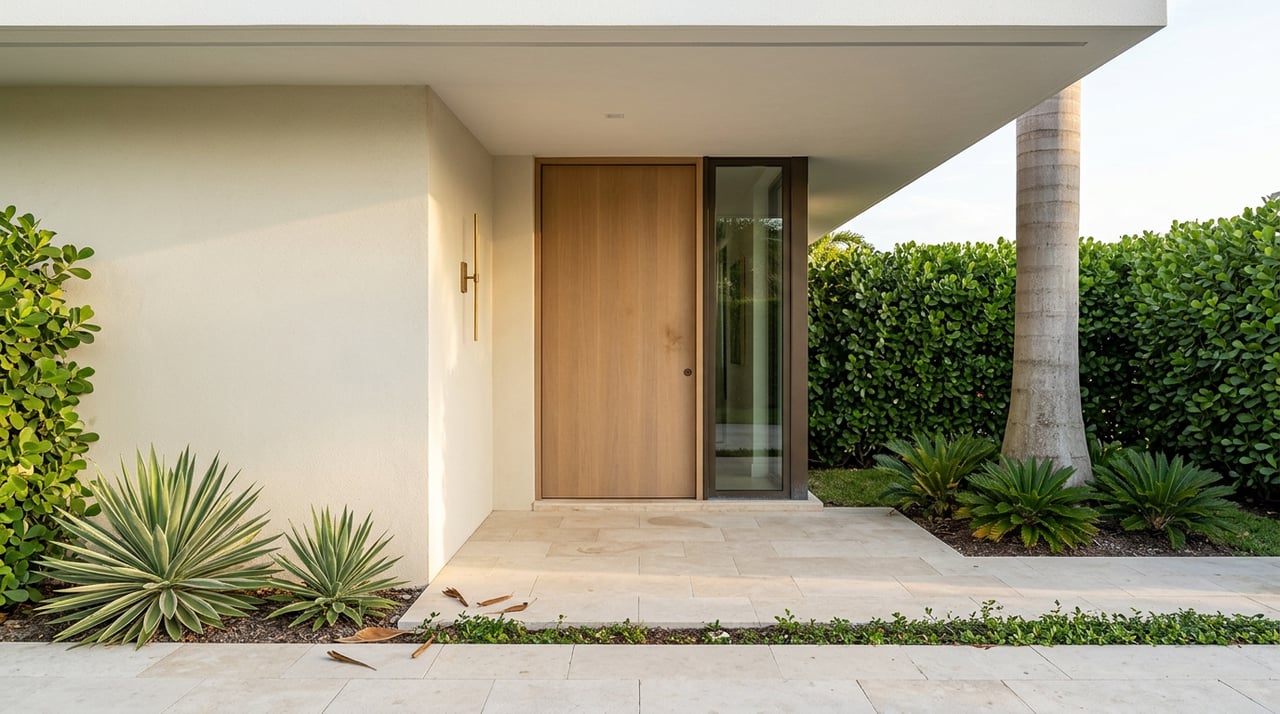
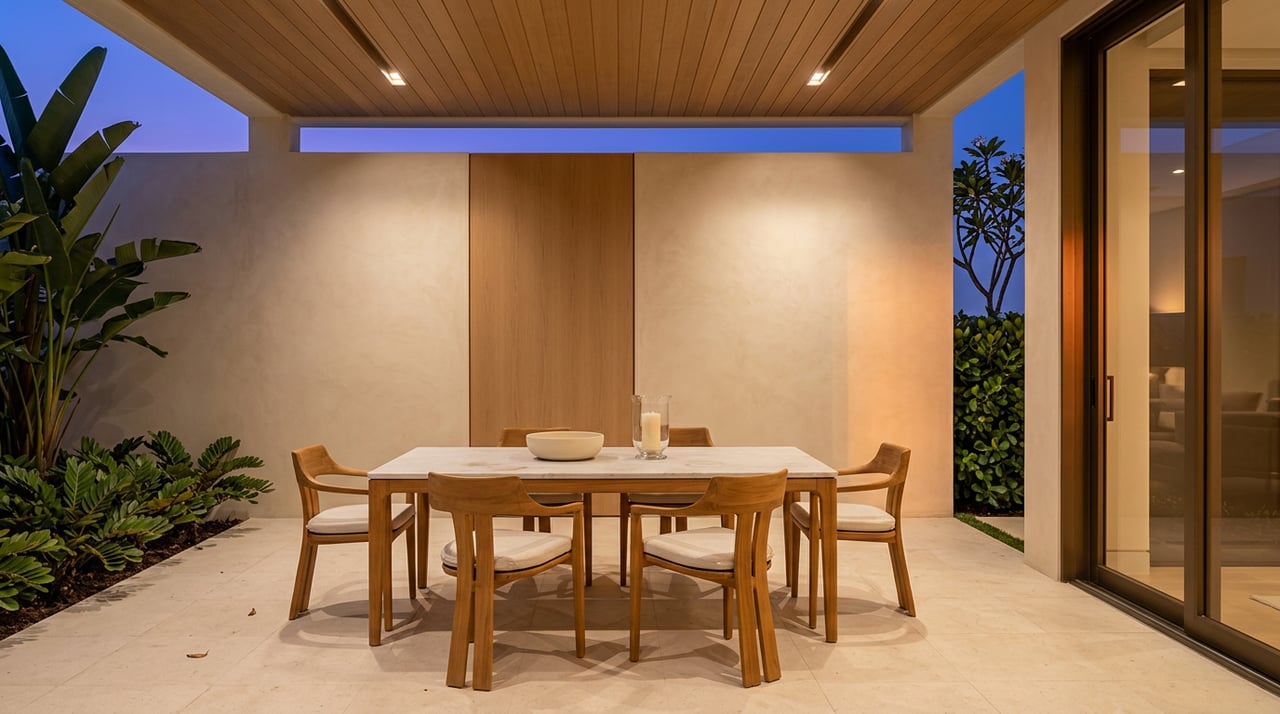

Wether you are looking to buy, sell, invest or relocate to beautiful, sunny South Florida, let Tanya help you find you the home of your dreams.